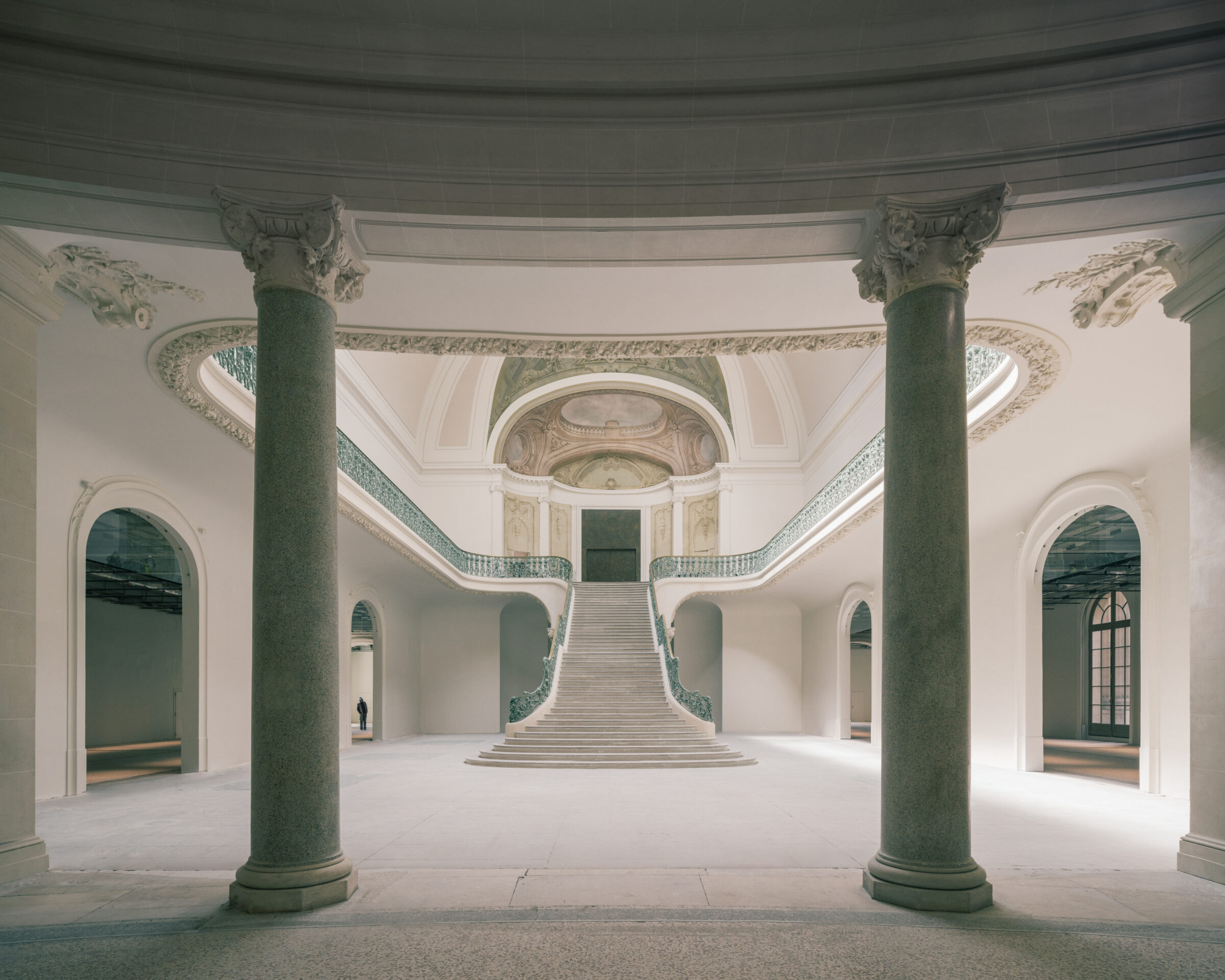
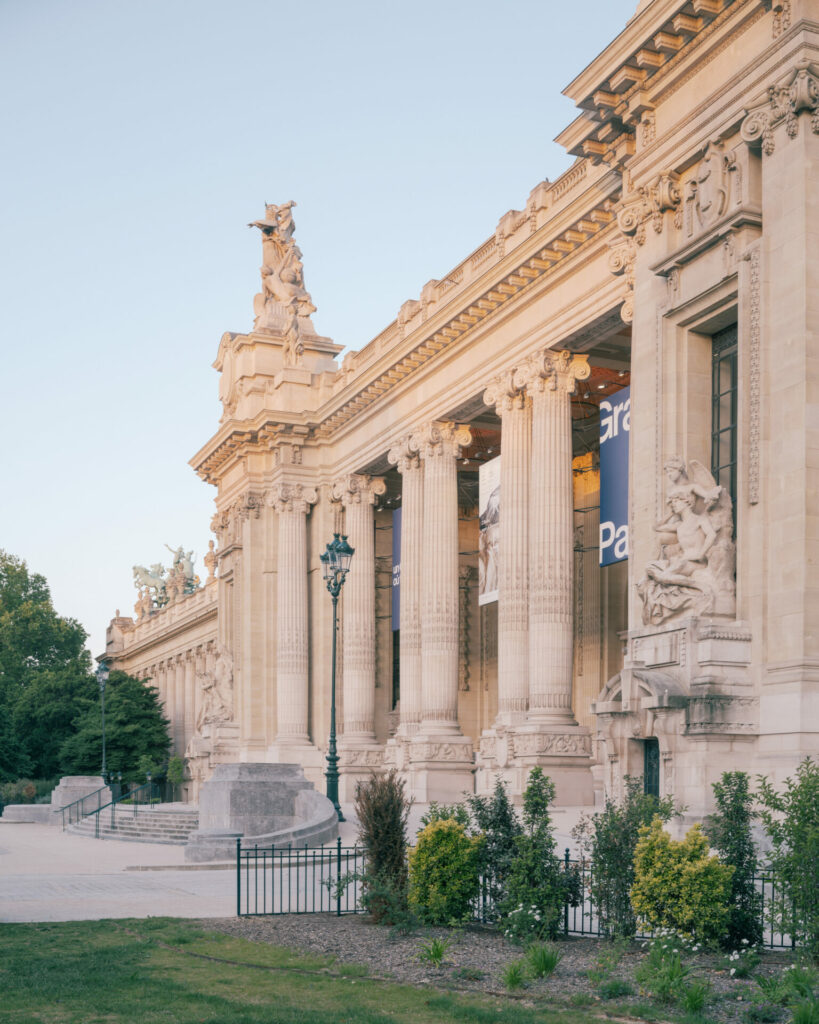
Emblematic of the 1900 Paris Exposition, the Grand Palais, although conceived as a temporary Beaux-Arts palace, has become one of the most timeless monuments in Paris. This collective work was imagined by several architects: the Nave and galleries by Henri Deglane, the intermediate part by Albert Louvet, the Palais d'Antin by Albert Thomas and the coordination of the whole by Charles Girault, also architect of the Petit Palais. From its inauguration, it was dedicated to the history of the arts and the glory of industry, as evidenced by its architecture, a masterful combination of the Beaux-Arts style with modern materials such as glass and steel. The work of the four architects was then completed in the 1960s by a series of modifications based on the dual principles of functionality and security of artworks and people. These modifications were made by Pierre Vivien, curatorial architect (former Chief Architect of France’s Historic Monuments) of the Grand Palais since 1950.

NEW GRAND PALAIS
RENOVATION OF AN EXTRAORDINARY MONUMENT TO MEET CONTEMPORARY CHALLENGES
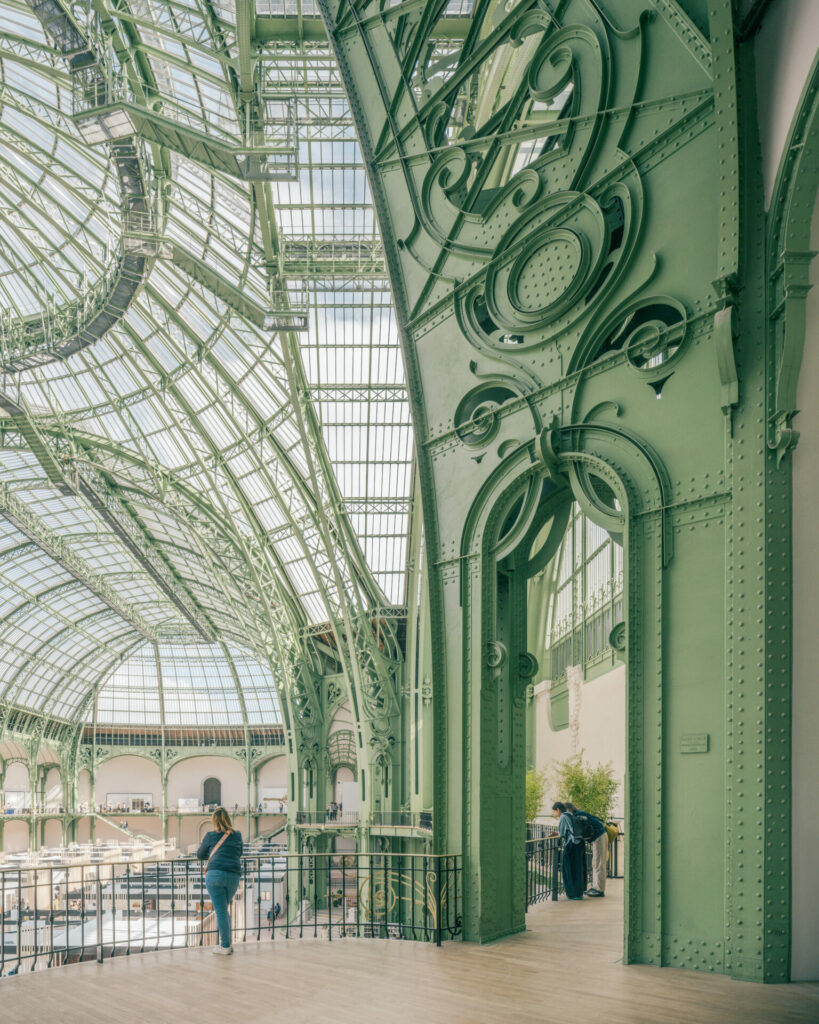
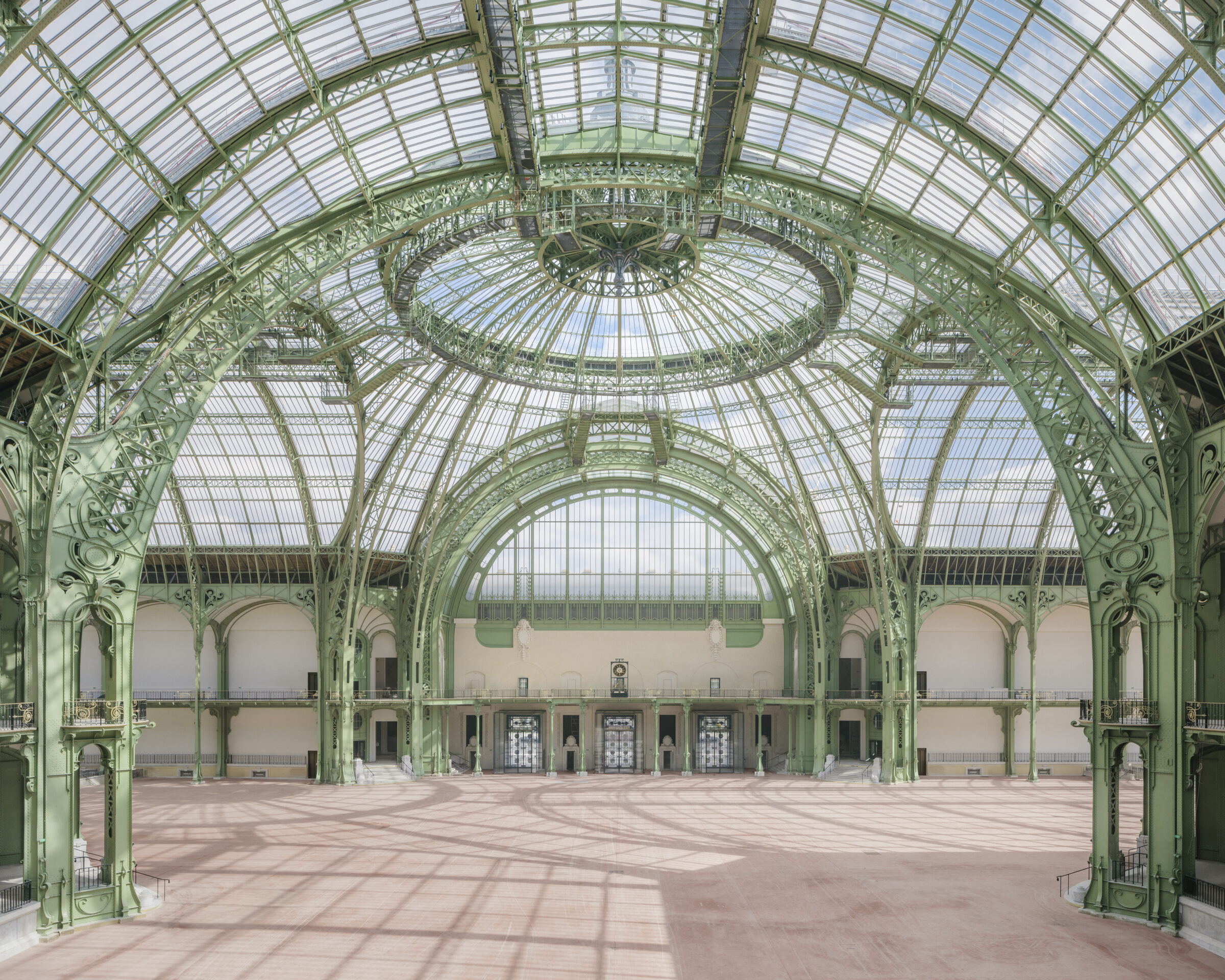
Over the course of a century, the building has become the international showcase of the French cultural scene, hosting the world's greatest exhibitions and events, and reflecting the developments and innovations of its time. Unlike many historic monuments, the Grand Palais has never undergone a major restoration, except for the glass roof of the Nave and its foundations on the Seine side in the early 2000s by Alain-Charles Perrot.
Divided up, partitioned horizontally and vertically, and weakened in the course of its history, the Grand Palais was eventually affected by numerous technical problems and the building's original volumes were no longer visible to visitors. The conditions for welcoming the public no longer corresponded to international standards and the exhibition spaces, under-equipped logistically, no longer met contemporary requirements. Finally, the monument's surroundings, its garden and its integration into the historic urban ensemble, have been neglected over time. More than a century after its creation, the Grand Palais had entered a new phase in its history beginning in 2021.
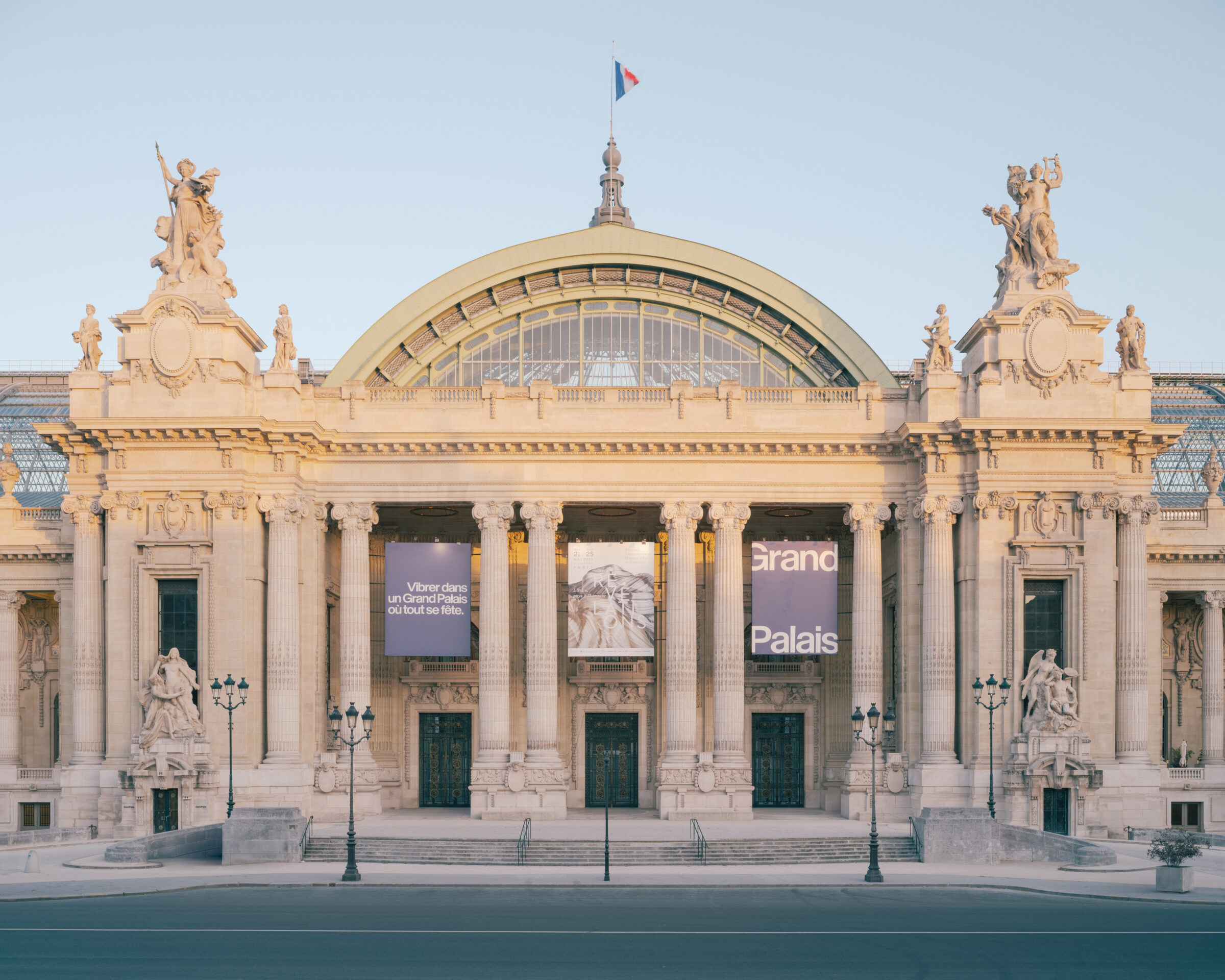
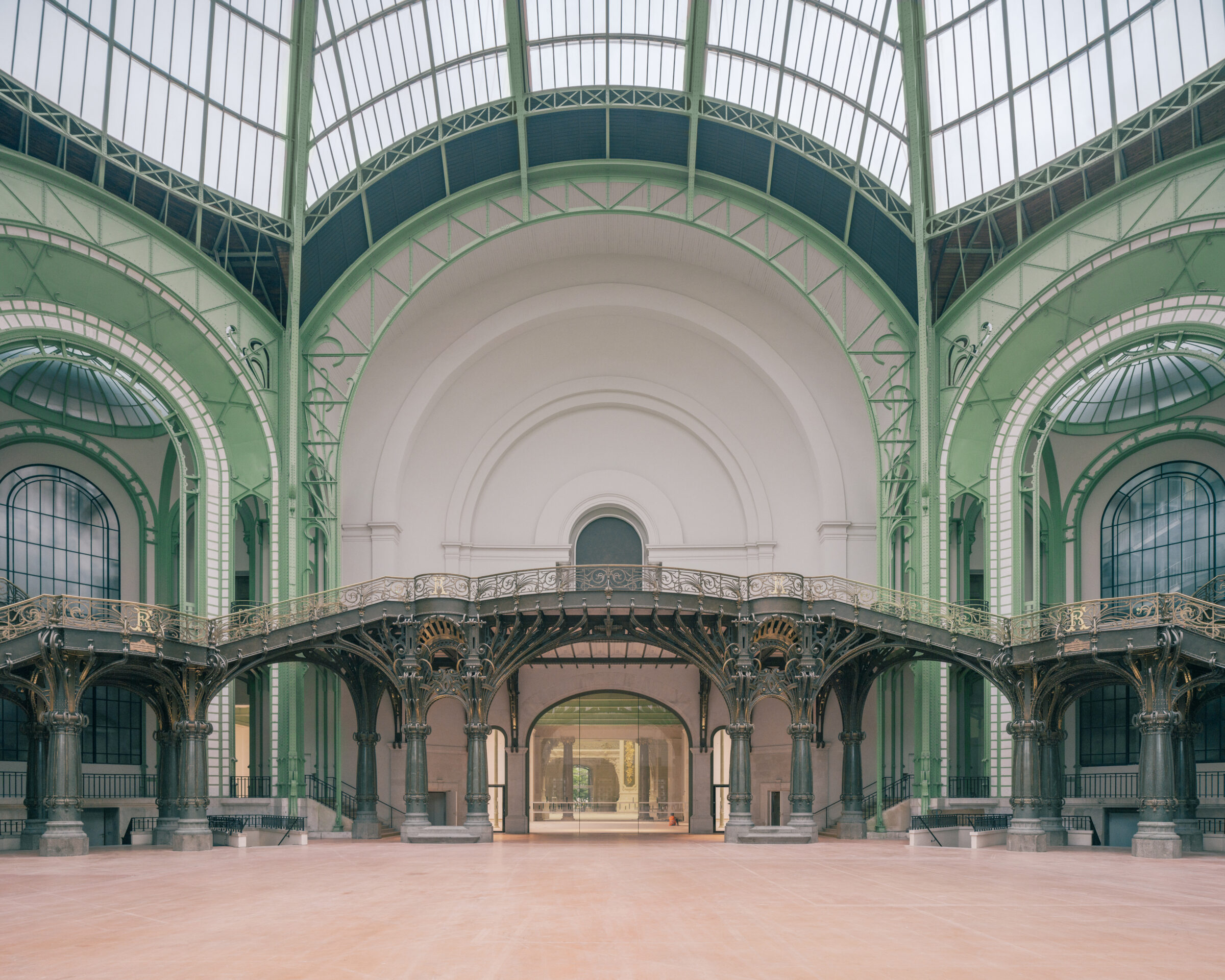
Thanks to the 3D superimposition of more than 3,000 archive plans, surveyor plans, and point clouds, a digital heritage diagnosis was carried out to model and understand the whole building as well as to slide the technical solutions into the interstices.
The major project to restore and renovate the Grand Palais will enable visitors to rediscover the beauty of its architecture by uncovering the coherence of its composition, the generosity of its spaces, its natural light, the fluidity of its circulation and creating of a contemporary layout. In particular, the project will enable visitors to rediscover the great North-South and East-West perspectives, to understand the interdependence of the different spaces, and to restore the power of the building. The Grand Palais will thus offer visitors a free interior walk from Square Jean Perrin to the Seine via the central square, linking the Palais d'Antin and the Nave.
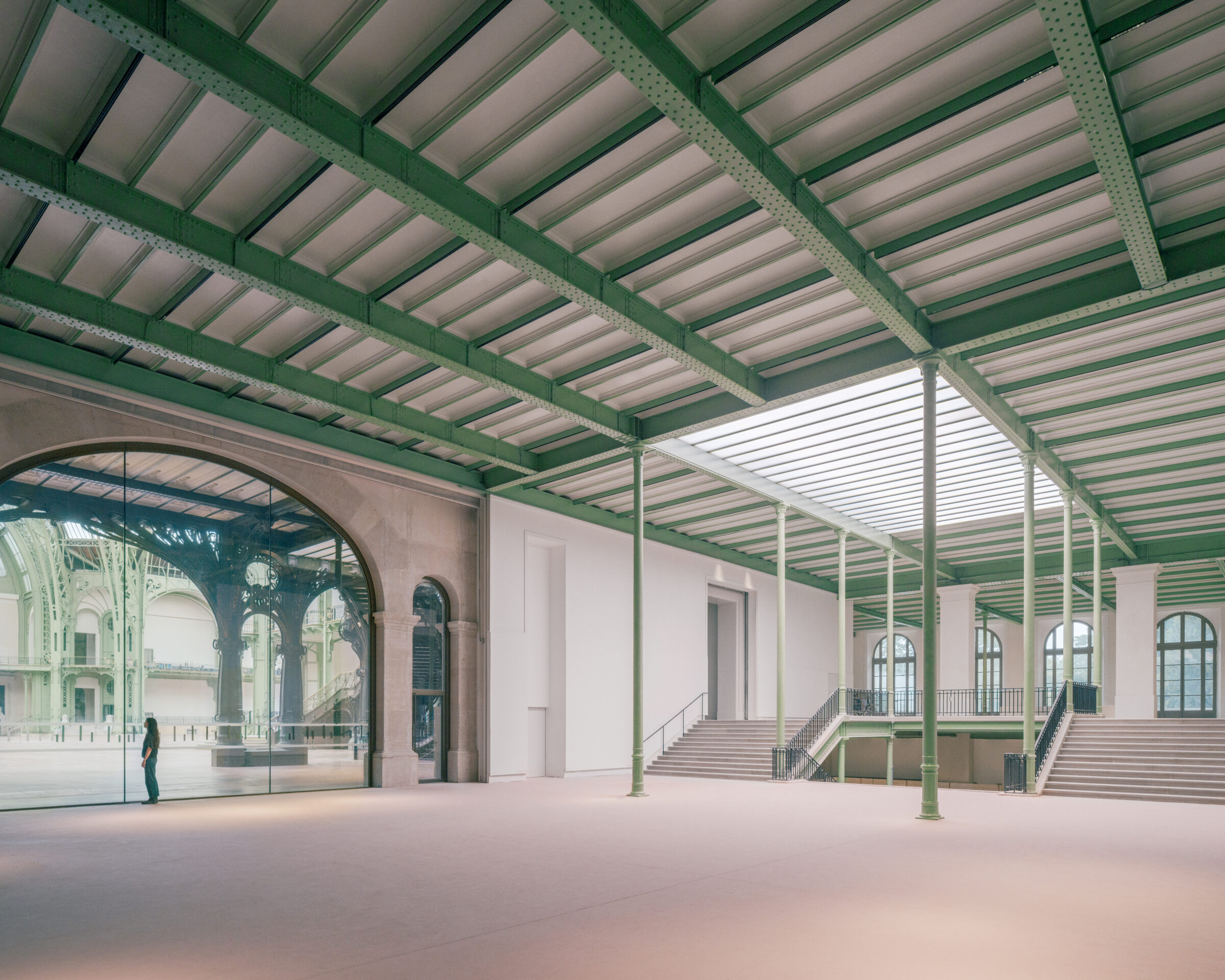
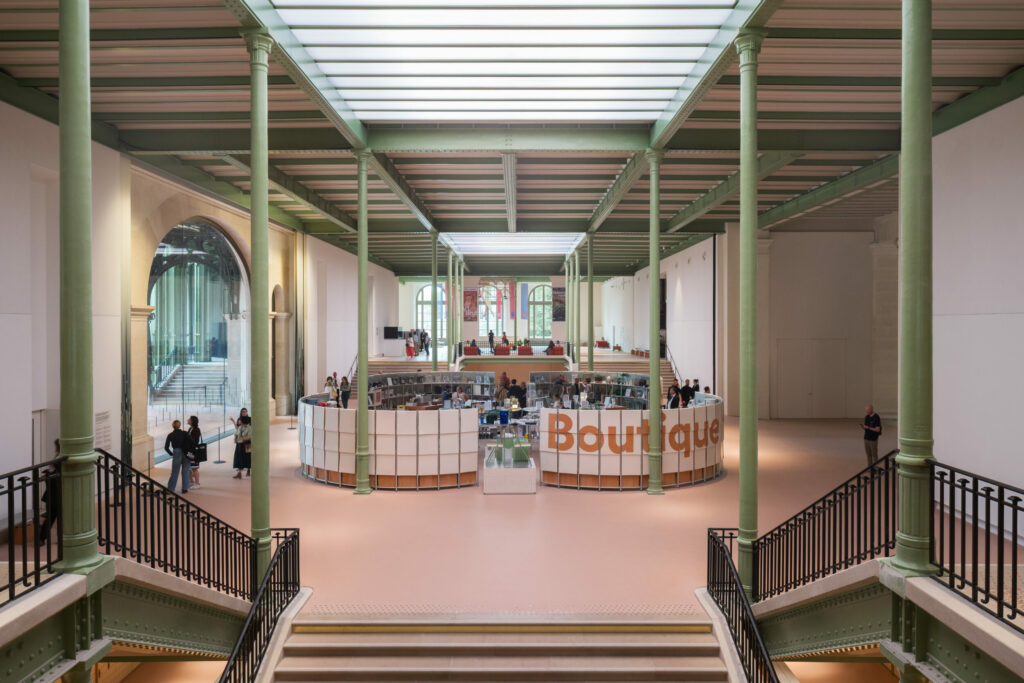
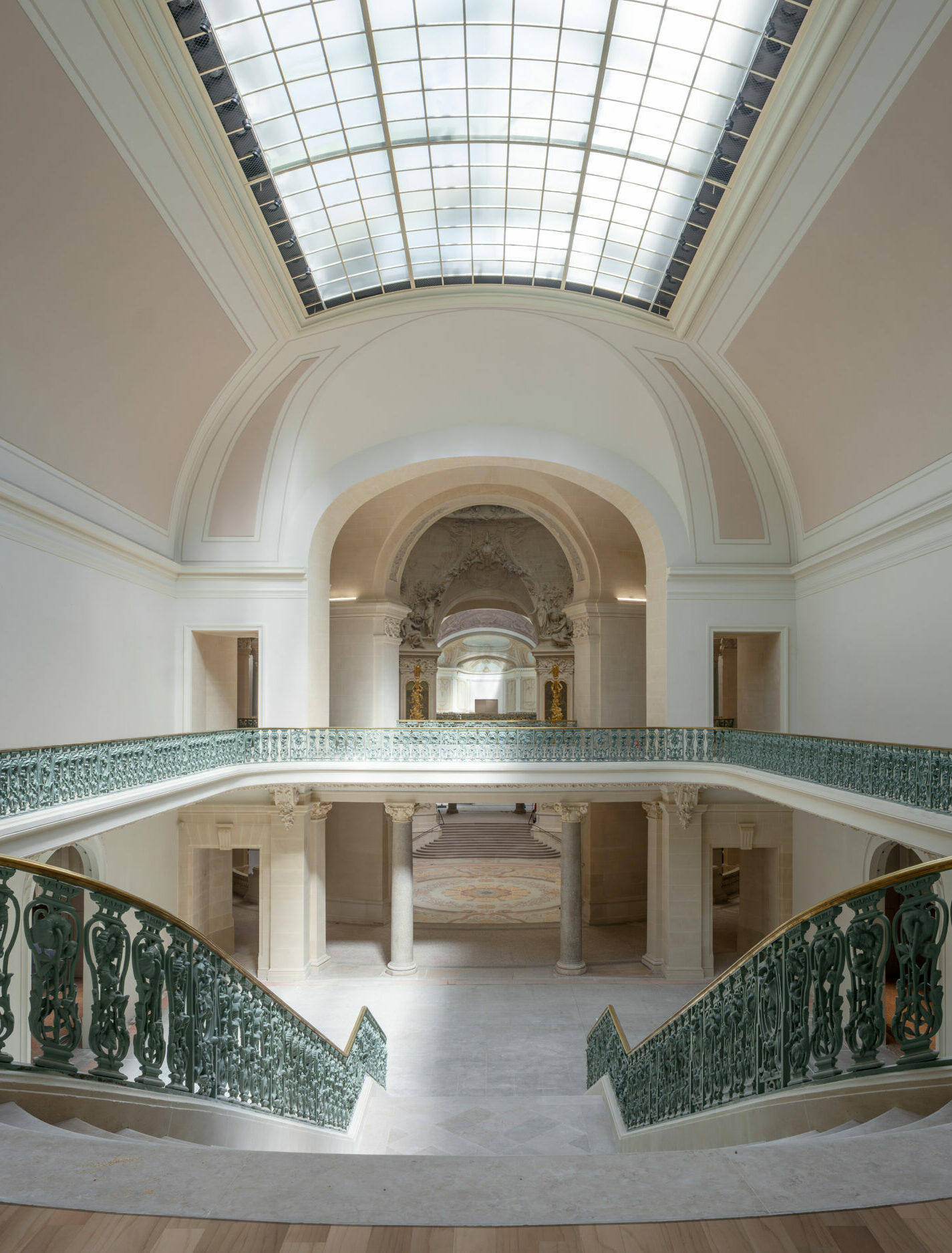
The compliance upgrade work has enhanced the building's technical and logistical performance while optimizing public reception conditions. On the thermal front, the integration of an insulation system beneath the Nave slab will extend the building's operational season. The elegance and ingenuity of the Galeries Nationales, designed by Pierre Vivien at the request of André Malraux, have been preserved and highlighted to create a dialogue between the building's past, present, and future. Visitors can now also explore part of the building's foundations through a new space dedicated to children, located on the site of the former horse carousel. Each season, joint youth exhibitions with an "Arts and Sciences" approach are presented by GrandPalaisRmn and the Palais de la découverte.
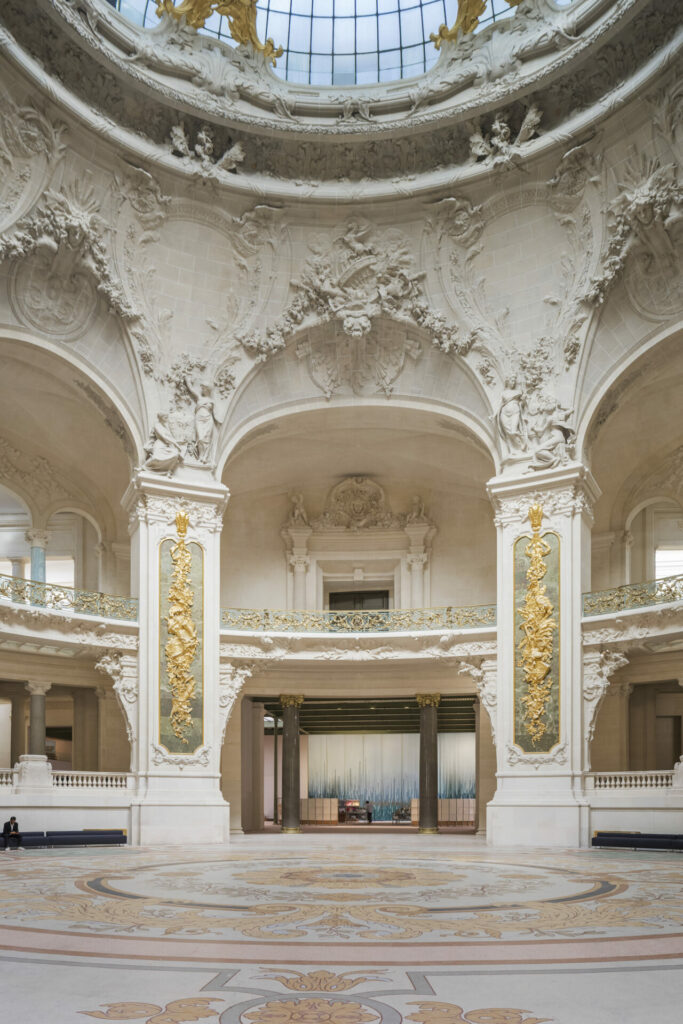
The Grand Palais is unlike any other monument. Its history makes it a place able to undergo transformation and adaptation – qualities that must be reconciled with the restoration project.